Directory
MVSEVM · THE SOCIAL SCIENCE MUSEUM
SPECIAL EXHIBITIONShips of the Atlantic World 1550-1750NOW SHOWING
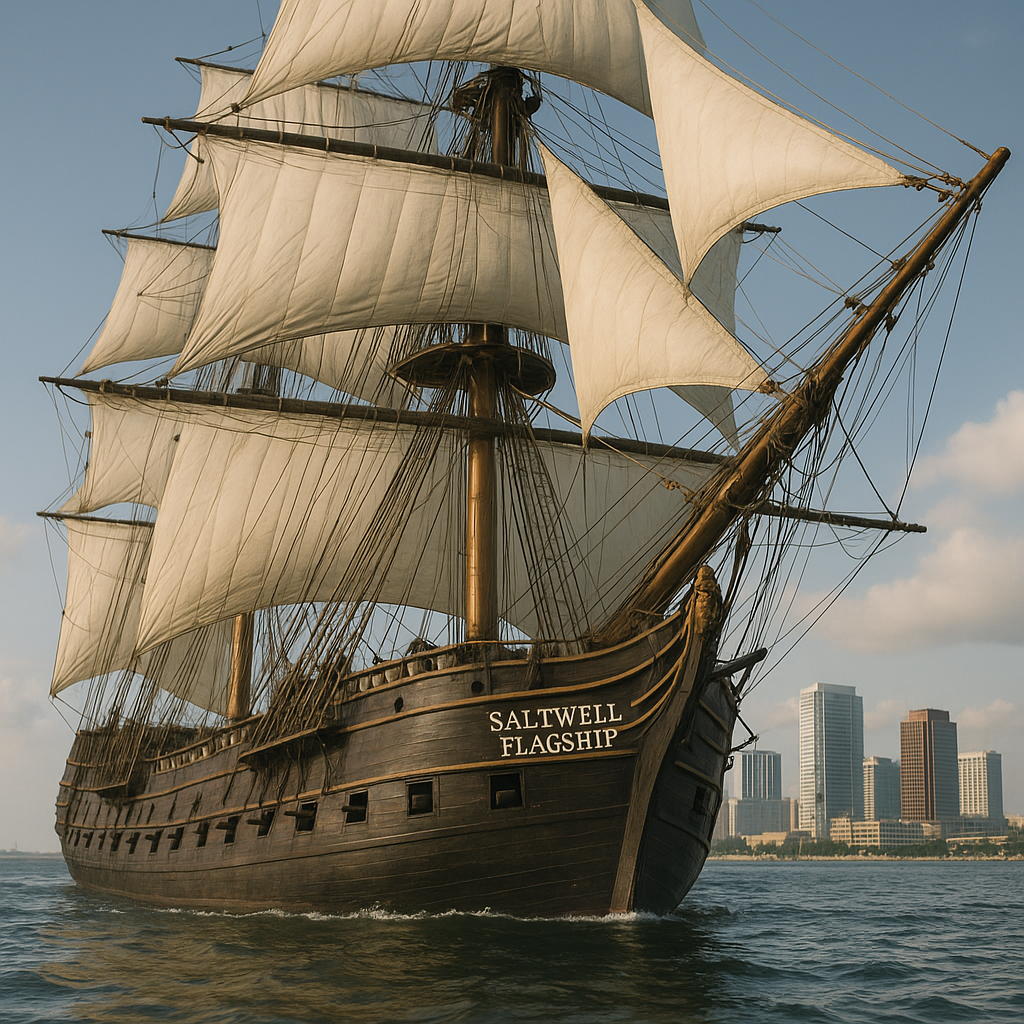
Closes August 31
SPECIAL EXHIBITIONShips of the Atlantic World 1550-1750NOW SHOWING
Closes August 31
URBANICITY PRESENTS

The Social Science Museum

Human and environment - hypothesis and evidence across the whole human record

◆ 189 GALLERIES  ·  2673 WORKS  ·  MEMBERS ENTER FREE
★ ON VIEW TODAY

Five Equal Groups, Five Unequal Shares

Households cut into five equal groups by income; the share of all income each group receives. The top fifth holds about 52%, the bottom fifth about 3%. The dotted line is what equal would look like.

View this exhibit →
🗺

Plan your route

A lobby map that remembers where you’ve been and what you still want to see.

🌐

Ask the curator

A curator stands in every room to answer your questions, in voice or text.

The Jefferson Room

The spiral of technology — no beginning and no end.

The Galleries

eleven revolutions and the Jefferson Room — how the world of 1725 became the world of 2025
GALLERY I
Fire and the Forest
People used fire to reshape whole landscapes long before they farmed them — the "wilderness" Europeans descri…
15 worksEnter →
GALLERY II
The First Surplus
Storing grain created a problem nobody had before: something worth guarding, counting, and taxing — administr…
15 worksEnter →
GALLERY III
Water and Power
Who controls water controls the settlement. Irrigation systems demand coordination, and coordination hardens …
15 worksEnter →
GALLERY IV
The Domesticated Animal
Herding tied people to their animals as much as animals to people — the herd chose the route, the season and …
15 worksEnter →
GALLERY V
The First Village
Staying put changed everything about the body: the diseases, the diet, the teeth, the number of children.
15 worksEnter →
GALLERY VI
The Metal That Mattered
Copper and tin sat in different places, so bronze forced trade before anyone planned it.
15 worksEnter →
GALLERY VII
The Grain Empire
Empires grew to the edge of the grain they could move — the cart and the barge set the border.
15 worksEnter →
GALLERY VIII
Roads and Rivers
Rome paved what the land allowed; China dug what the land refused. Two answers to the same problem.
15 worksEnter →
GALLERY IX
The Silk Corridor
The routes followed water and pasture, not maps — oases dictated who traded and who did not.
15 worksEnter →
GALLERY X
The Monsoon Bargain
South Asian society organised itself around a rain that either came or did not.
15 worksEnter →
GALLERY XI
Why Rome Thinned
Soil, silver, climate and plague — the fall was environmental before it was military.
15 worksEnter →
GALLERY XII
The Classical City
Athens, Chang'an and Rome each solved water, waste and food differently — and each was capped by that answer.
15 worksEnter →
GALLERY XIII
The Maize Bargain
Maize had to be invented as much as found — teosinte became a staple through millennia of human selection.
15 worksEnter →
GALLERY XIV
Terrace and Milpa
Steep ground and thin soil produced farming systems that fed millions without a plough or a draft animal.
15 worksEnter →
GALLERY XV
The City in the Lake
Tenochtitlan was built on water because water solved transport, waste and defence at once.
15 worksEnter →
GALLERY XVI
The Classic Maya Question
Drought, soil exhaustion and warfare tangled — the collapse is the best case study in multi-causal history.
15 worksEnter →
GALLERY XVII
Reading the Sky
Calendars were agricultural instruments before they were religious ones.
15 worksEnter →
GALLERY XVIII
A Hemisphere Without Horses
No large draft animals meant no wheel worth having, and human backs carried an empire.
15 worksEnter →
GALLERY XIX
The Heavy Plough
Northern European clay was useless until a plough could turn it — one tool opened a subcontinent.
15 worksEnter →
GALLERY XX
The Black Death
A third of Europe died and the survivors got richer — labour scarcity rewrote the social contract.
15 worksEnter →
GALLERY XXI
The Caravan World
Camel, oasis and caravanserai made a trade network out of a desert nobody could farm.
15 worksEnter →
GALLERY XXII
The Rice Revolution
Champa rice let southern China double-crop, and the population followed the water south.
15 worksEnter →
GALLERY XXIII
Wood and the Wall
Medieval Europe ran on timber until it ran out — the fuel crisis came centuries before coal.
15 worksEnter →
GALLERY XXIV
The Little Ice Age
A few degrees of cooling shortened growing seasons and lengthened wars.
15 worksEnter →
GALLERY XXV
The Columbian Exchange
Potatoes fed Europe, maize fed China, and smallpox emptied the Americas — the biggest environmental event in …
15 worksEnter →
GALLERY XXVI
The Sugar Island
Cane demanded land, water and coerced labour — the plantation was an environmental design as much as an econo…
15 worksEnter →
GALLERY XXVII
The Silver Mountain
Potosi's silver reached China and moved prices on three continents.
15 worksEnter →
GALLERY XXVIII
The Wind That Made Empires
Trade winds and monsoon timings decided who could sail where, and when — empire ran on a calendar of weather.
15 worksEnter →
GALLERY XXIX
Fur, Fish and Frontier
North America was drawn into the world economy by animals, not by settlement.
15 worksEnter →
GALLERY XXX
The First Global City
Amsterdam and Edo solved density, water and fire in ways that made a modern city possible.
15 worksEnter →
GALLERY XXXI
The Walking City
Before cheap transport, a city could only be as wide as a person could walk in an hour — human bodies set the…
18 worksEnter →
GALLERY XXXII
Coal and the Clock
Fossil energy uncoupled work from daylight and muscle, and the factory clock rebuilt the human day around the…
18 worksEnter →
GALLERY XXXIII
Going Up
Cities grow vertical when land, steel, the elevator and dense money arrive together — remove any one and the …
31 worksEnter →
GALLERY
Rural Businesses
Rural businesses stand where a commodity meets its transport — the grain elevator by the rails, the derrick o…
14 worksEnter →
GALLERY XXXIV
The Cooled Room
Air conditioning moved populations into places the climate had refused, and the bill arrives as energy demand.
18 worksEnter →
GALLERY
The Gerrymander
Whoever draws the map chooses the voters — packing, cracking, reapportionment, the cases; draw the districts …
4 worksEnter →
GALLERY
The Income Pyramid
Rich and poor in America drawn four ways — fifths, the Pew middle, wealth against income, the poverty line — …
4 worksEnter →
GALLERY XXXV
The New Mills
Data centres are the mills of this century: they choose their sites for power, water and cheap land, exactly …
18 worksEnter →
GALLERY XXXVI
The Company and the Charter
The first colonies were financial instruments. Virginia was a joint-stock company with shareholders expecting…
15 worksEnter →
GALLERY XXXVII
The Meeting Ground
For a century the fur trade ran on Native terms. Europeans supplied goods; Native nations set prices, routes …
15 worksEnter →
GALLERY XXXVIII
The Company Town
Pullman built a town to prove that good housing would produce docile workers, and then cut wages without cutt…
15 worksEnter →
GALLERY XXXIX
The Town and the Common
New England grew towns and the Chesapeake grew plantations because of what they planted. A crop that needs a …
15 worksEnter →
GALLERY XL
The Invisible Arrival
The most consequential thing Europeans brought was invisible and arrived ahead of them. Colonisation succeede…
15 worksEnter →
GALLERY XLI
The Consumer Revolution
Americans became British before they stopped being British. An eighteenth-century flood of imported cloth, te…
15 worksEnter →
GALLERY XLII
The Argument in Print
The Revolution was argued into existence in cheap print. Pamphlets, newspapers and the taverns where they wer…
15 worksEnter →
GALLERY XLIII
Who Was the Revolution For?
Liberty was claimed by everyone in earshot. Enslaved people, women, tenants and Native nations all pressed th…
15 worksEnter →
GALLERY XLIV
The Machine of Compromise
The Constitution is a machine built out of bargains, and the two largest were about counting: how states coun…
15 worksEnter →
GALLERY XLV
The Grid Goes West
The Land Ordinance drew a grid over ground nobody in Congress had seen, and that grid turned land into a prod…
15 worksEnter →
GALLERY XLVI
The Port City
The first American cities faced outward. Philadelphia, New York, Boston and Charleston were organised around …
15 worksEnter →
GALLERY XLVII
The War Itself
The Continental Army lost most of its battles and won the war. It survived long enough to make the conflict t…
15 worksEnter →
GALLERY XLVIII
The First Party Fight
The founders built a system that assumed no parties, and had two within six years. The fight was over finance…
15 worksEnter →
GALLERY XLIX
Removal
Removal was not lawlessness. The Cherokee took their case to the Supreme Court and won, and were removed anyw…
15 worksEnter →
GALLERY L
The Factory Girls
America's first industrial workforce was young, female and recruited on a promise — the Lowell mills sold res…
15 worksEnter →
GALLERY LI
The House Divided
Secession was argued in the language of rights and decided on the arithmetic of property. Read the declaratio…
15 worksEnter →
GALLERY LII
Reconstruction and Its Undoing
For about a decade Black men voted, held office and built schools across the South. It was ended by organised…
15 worksEnter →
GALLERY LIII
The Chosen Nation
Exceptionalism is not a description of America; it is an argument Americans make, and it has done real work —…
15 worksEnter →
GALLERY LIV
The Tenement and the Terrace
The same land economics that pushed offices up pushed housing in. The dumbbell tenement is the residential an…
15 worksEnter →
GALLERY LV
The Immigrant Ledger
Immigration policy is a sorting machine, and you can read what a country believes about itself in who it lets…
15 worksEnter →
GALLERY LVI
The Machine and the Ward
The urban political machine was a service delivery system that ran on votes. It was corrupt and it worked — a…
15 worksEnter →
GALLERY LVII
Why Buildings Rise
Buildings go up when the ground gets more expensive than the steel. The skyscraper is not a triumph of engine…
15 worksEnter →
GALLERY LVIII
The Reservation and the Allotment
After the wars came the paperwork. The Dawes Act broke communally held reservations into individual plots and…
15 worksEnter →
GALLERY LIX
The Federal Blueprint
The federal government drew the colour line onto a map and then lent money by it. Redlining was not a private…
15 worksEnter →
GALLERY LX
The Arsenal
The war economy did what a decade of relief could not, and it did it by deciding where factories went. Federa…
16 worksEnter →
GALLERY LXI
The Subsidised Suburb
The suburb was not a preference the market discovered; it was built with federal mortgage insurance, federal …
15 worksEnter →
GALLERY LXII
The Second Great Migration
Between 1940 and 1970 about five million Black Americans left the South. They were moving toward wages and aw…
15 worksEnter →
GALLERY LXIII
The Movement in the Street
The civil rights movement was a method, not a mood. Boycott, sit-in, march and legal case were tools chosen f…
15 worksEnter →
GALLERY LXIV
The Bomb
The Manhattan Project built an industrial complex the size of the American automobile industry in three years…
15 worksEnter →
GALLERY LXV
The Factory Closes
Deindustrialisation was not a natural disaster. Plants closed because of decisions — about capital, about tra…
15 worksEnter →
GALLERY LXVI
The Return Downtown
Downtown came back, and the people who had held it through the bad decades largely did not get to stay. Gentr…
15 worksEnter →
GALLERY LXVII
The Sunbelt Bargain
The Sunbelt was built on cheap land, cheap energy, air conditioning, federal defence money and weak labour la…
15 worksEnter →
GALLERY LXVIII
The Worked Continent
The land the colonists called wilderness was worked land — burned, planted, drained and hunted on a schedule.…
15 worksEnter →
GALLERY LXIX
The Hero and the Record
Heroes are manufactured, usually a generation after the fact and usually for a purpose. Compare what the reco…
15 worksEnter →
GALLERY LXX
The Reform Photograph
Riis made the slum visible with a magnesium flash, and every reform photograph since has carried the same pro…
15 worksEnter →
GALLERY LXXI
The Great Upheaval
In 1886 the Knights of Labor had somewhere near 700,000 members and a vision of one big union open to almost …
15 worksEnter →
GALLERY LXXII
The Cotton Engine
Slavery was not a backward institution the modern economy was leaving behind. It was the modern economy's lea…
15 worksEnter →
GALLERY LXXIII
The Corps of Discovery
Lewis and Clark did not discover a route; they were guided along one. The expedition succeeded because Native…
15 worksEnter →
GALLERY LXXIV
The Republican Experiment
Republicanism was a theory with a known failure mode. Every educated American had read that republics die of …
15 worksEnter →
GALLERY LXXV
Who Counts?
Representation is arithmetic before it is philosophy. Who gets counted, in which place, and how the lines are…
15 worksEnter →
GALLERY LXXVI
The Canal and the Rail
Cities appear where the cost of moving a ton drops. The Erie Canal made New York the national port, and the r…
15 worksEnter →
GALLERY LXXVII
The Edsel
Ford spent a decade and a quarter of a billion dollars researching what Americans wanted, built exactly that,…
15 worksEnter →
GALLERY LXXVIII
The Transcontinental
The transcontinental railroad was a public works project sold as private enterprise. Land grants and governme…
15 worksEnter →
GALLERY LXXIX
The Crash and the Line
The crash did not cause the Depression; it exposed it. Farm prices had been falling for a decade, wages had n…
15 worksEnter →
GALLERY LXXX
The Census
A census does not simply count a population; it decides what categories exist. Change the boxes and you chang…
15 worksEnter →
GALLERY LXXXI
The Tower Again
The tower came back, but it is not the same building. The 1900 skyscraper concentrated work; the 2000 superta…
15 worksEnter →
GALLERY LXXXII
The Screen and the Square
Every communication technology has been said to remake American politics, and each time the effect was real b…
15 worksEnter →
GALLERY LXXXIII
The Literary Digest Poll
In 1936 a magazine mailed ten million ballots, got 2.4 million back, and predicted Landon would beat Roosevel…
15 worksEnter →
GALLERY LXXXIV
Urban Renewal
The programme that was going to save American cities cleared about 2,500 projects, displaced roughly a millio…
15 worksEnter →
GALLERY LXXXV
The Hardening Line
Slavery in English America was not present at the start and inevitable after — it was built, statute by statu…
15 worksEnter →
GALLERY LXXXVI
The Population Bomb
A 1968 book predicted mass famine in the 1970s and was wrong on almost every specific. It also changed policy…
15 worksEnter →
GALLERY LXXXVII
New Coke
Coca-Cola ran 200,000 taste tests, won them, changed the formula, and faced a consumer revolt inside three mo…
15 worksEnter →
GALLERY LXXXVIII
Galloping Gertie
The bridge that tore itself apart in 1940 is in every physics textbook, usually with the wrong explanation. I…
15 worksEnter →
GALLERY LXXXIX
The Question
Ask the same thing two ways and get two societies. Question wording, order and response options do not merely…
15 worksEnter →
GALLERY XC
The Index
GDP, the CPI, the unemployment rate. Each is a choice about what counts, made by people, revisable, and used …
15 worksEnter →
GALLERY XCI
The Map
Every map is an argument. Projection, colour break, unit of aggregation - each is a decision, and each can ma…
15 worksEnter →
GALLERY XCII
The Poverty Line
The American poverty threshold was built in 1963 from the cost of an emergency food budget multiplied by thre…
15 worksEnter →
GALLERY XCIII
The Normal
The average person does not exist. Quetelet invented him in the 1830s, and the habit of treating a distributi…
15 worksEnter →
GALLERY XCIV
The Hawthorne Works
Researchers raised the lighting and output went up. They lowered it and output went up again. The finding nam…
15 worksEnter →
GALLERY XCV
Prohibition
The United States banned alcohol for thirteen years and generated a natural experiment nobody designed. Consu…
15 worksEnter →
GALLERY XCVI
Moving to Opportunity
The federal government randomly assigned housing vouchers and then followed the families for twenty years. Th…
15 worksEnter →
GALLERY XCVII
The Obedience Studies
Milgram and Zimbardo are the two most famous studies in social science, are taught in every introductory cour…
15 worksEnter →
GALLERY XCVIII
The Minimum Wage Fight
In 1994 two economists compared fast-food restaurants on either side of a state line and found that a minimum…
15 worksEnter →
GALLERY XCIX
After the Towers
The response to September 11 reorganised American government more than the attack reorganised American life —…
15 worksEnter →
GALLERY C
The Sword Rack at the Door
A full-scale cutaway of an Edo samurai residence, c.1720. A house teaches you its rules before anyone speaks …
23 worksEnter →
GALLERY CI
The First Light
The universe began simple; everything since is a history of added complexity.
19 worksEnter →
GALLERY CII
The Forge of Stars
Every heavy atom in the room was cooked inside a dying star.
19 worksEnter →
GALLERY CIII
The Rocky Ledger
Planets are debris that learned to keep accounts - strata are the first archive.
19 worksEnter →
GALLERY CIV
The Goldilocks Band
Habitability is an address: close enough for liquid water, far enough not to burn.
19 worksEnter →
GALLERY CV
The Moon's Receipt
The cratered Moon preserves the violence the living Earth erased.
15 worksEnter →
GALLERY CVI
The Deep Clock
Radioactive decay is a clock nobody set and nobody can stop.
19 worksEnter →
GALLERY CVII
The Living Spark
Chemistry crossed into biology once - and never demonstrably again.
15 worksEnter →
GALLERY CVIII
The Oxygen Revolution
The first pollution crisis was oxygen itself - poison to one world, fuel to the next.
15 worksEnter →
GALLERY CIX
The Drifting Map
Continents move; every mountain range is a collision report.
15 worksEnter →
GALLERY CX
The Great Dyings
Extinction is the editor - most chapters of life end mid-sentence.
15 worksEnter →
GALLERY CXI
The Mammal's Wager
Warm blood is expensive insurance that paid out when the asteroid came.
15 worksEnter →
GALLERY CXII
The Grasslands Bargain
Grass remade the world cheaply - and something upright walked out to meet it.
15 worksEnter →
GALLERY CXIII
The Fire Keeper
Cooking outsourced digestion and bought the brain its energy budget.
15 worksEnter →
GALLERY CXIV
The Language Leap
Symbolic language lets knowledge outlive the knower - the human trick.
15 worksEnter →
GALLERY CXV
The Painted Cave
Art is evidence of minds imagining what is not in front of them.
15 worksEnter →
GALLERY CXVI
The Long Migration
One species walked every coastline and hillside on Earth without a map.
15 worksEnter →
GALLERY CXVII
The Dog at the Fire
The first domestication was mutual - two hunters merging their senses.
15 worksEnter →
GALLERY CXVIII
The Ice Corridor
Climate opened and closed the doors through which humanity moved.
15 worksEnter →
GALLERY CXIX
The Seed Contract
Farming bound people to place - the first mortgage was a wheat field.
15 worksEnter →
GALLERY CXX
The Village Ledger
Surplus must be stored, and stored surplus must be guarded and counted.
15 worksEnter →
GALLERY CXXI
The Writing Debt
Writing began as accounting; literature is a by-product of the receipt.
15 worksEnter →
GALLERY CXXII
The City Threshold
At some density strangers must cooperate - the city is that experiment.
15 worksEnter →
GALLERY CXXIII
The Metal and the Market
Bronze made elites; iron democratized the blade and the plough alike.
15 worksEnter →
GALLERY CXXIV
The Plague Network
The roads that moved silk moved microbes - connection has a body count.
15 worksEnter →
GALLERY CXXV
The Ocean Bridge
1492 sutured two biospheres; dinner tables on five continents still show the scar.
15 worksEnter →
GALLERY CXXVI
The Silver Circuit
Potosi's silver was the first world currency - globalisation with a mine at its heart.
15 worksEnter →
GALLERY CXXVII
The Machine Threshold
The steam engine broke the ancient equation of work with muscle.
15 worksEnter →
GALLERY CXXVIII
The Energy Bonanza
Coal is captured sunlight spent a million times faster than it was saved.
15 worksEnter →
GALLERY CXXIX
The Population Curve
Cheap calories and clean water bent the human curve upward at both ends.
15 worksEnter →
GALLERY CXXX
The Telegraph World
When information outran the horse, markets and empires changed shape.
15 worksEnter →
GALLERY CXXXI
The Great Acceleration
Every curve of the human enterprise turns vertical after 1950.
15 worksEnter →
GALLERY CXXXII
The Carbon Ledger
The atmosphere keeps accounts; the industrial era's bill is arriving.
15 worksEnter →
GALLERY CXXXIII
The Information Threshold
Computation is collective learning at machine speed - a new threshold or a faster old one?
15 worksEnter →
GALLERY CXXXIV
The Genome Drawer
Reading and writing DNA hands evolution its own pen.
15 worksEnter →
GALLERY CXXXV
The Anthropocene Question
If strata will record us, we are geology now - and geology with intent.
15 worksEnter →
GALLERY CXXXVI
The Next Threshold
Big history ends mid-sentence; the next chapter is a decision, not a prediction.
15 worksEnter →
GALLERY CXXXVII
The Town Meeting
A room where everyone speaks is a constitution before anyone writes one.
15 worksEnter →
GALLERY CXXXVIII
The Common and the Fence
Shared land survives only by agreed rules - the commons is government in miniature.
15 worksEnter →
GALLERY CXXXIX
The Sheriff and the Jury
Twelve neighbours judging one is power kept deliberately amateur.
15 worksEnter →
GALLERY CXL
The School Board
The smallest elected body carries the biggest public trust: other people's children.
15 worksEnter →
GALLERY CXLI
The Charter
A town exists because a paper says so - and the paper can be rewritten.
15 worksEnter →
GALLERY CXLII
The Petition
The right to ask is the floor under every other right.
15 worksEnter →
GALLERY CXLIII
The Property Line
When the vote required land, the map of landholding WAS the electorate.
15 worksEnter →
GALLERY CXLIV
The Ballot Box
A secret ballot changes what a vote is worth and who can afford to cast one.
15 worksEnter →
GALLERY CXLV
The Ward Machine
The machine traded services for votes - corruption and welfare in one ledger.
15 worksEnter →
GALLERY CXLVI
The Suffrage March
Half the adult population argued its way into the electorate in one long century.
15 worksEnter →
GALLERY CXLVII
The Poll Tax Receipt
A two-dollar receipt could cancel a constitutional amendment.
15 worksEnter →
GALLERY CXLVIII
The Recount
Elections are counted by people; the margin of error is a political institution.
15 worksEnter →
GALLERY CXLIX
The King's Two Bodies
Monarchy survives the monarch because the office outlives the body.
15 worksEnter →
GALLERY CL
The Parliament
An assembly that controls the purse eventually controls the crown.
15 worksEnter →
GALLERY CLI
The Republic's Blueprint
A constitution is an argument about human nature written into furniture.
15 worksEnter →
GALLERY CLII
The Federation Question
Dividing sovereignty on a map is the hardest trick in political design.
15 worksEnter →
GALLERY CLIII
The One-Party State
Where one party absorbs the state, elections become audits of loyalty.
15 worksEnter →
GALLERY CLIV
The Referendum
Direct democracy asks every citizen to be the legislature for one day.
15 worksEnter →
GALLERY CLV
Marbury's Desk
The Court claimed the power to strike laws down - and no one has taken it back.
15 worksEnter →
GALLERY CLVI
The Fourteenth Amendment
One sentence about equal protection re-litigated the entire American settlement.
15 worksEnter →
GALLERY CLVII
Separate and Unequal
Plessy and Brown are the same clause read by two different centuries.
15 worksEnter →
GALLERY CLVIII
The Warren Bench
A court can lead public opinion by a decade - at a price paid in legitimacy.
15 worksEnter →
GALLERY CLIX
The Commerce Clause
Nearly everything Congress does travels through one clause about buying and selling.
15 worksEnter →
GALLERY CLX
The Dissent
Yesterday's dissent is tomorrow's majority - the Court argues with its future self.
15 worksEnter →
GALLERY CLXI
The Zoning Map
A coloured map quietly decides who may live where for a century.
15 worksEnter →
GALLERY CLXII
The Boss's Ledger
The machine boss governed without office - patronage was the constitution.
15 worksEnter →
GALLERY CLXIII
The Bond Issue
Cities are built on borrowed money; the bond prospectus is a plan of the future.
15 worksEnter →
GALLERY CLXIV
The Police Power
The broadest power a city holds is the vaguest one: health, safety, morals, welfare.
29 worksEnter →
GALLERY CLXV
The Annexation Fight
Where the city line falls decides who pays for whom.
15 worksEnter →
GALLERY CLXVI
The Renewal Bulldozer
Urban renewal asked whether a neighbourhood is a slum or a home - and who answers.
15 worksEnter →
GALLERY CLXVII
The Treaty Table
Westphalia's bargain - sovereignty inside borders - still sets the table.
15 worksEnter →
GALLERY CLXVIII
The Embassy
An ambassador is a state made flesh; immunity is the fiction that keeps talk alive.
15 worksEnter →
GALLERY CLXIX
The Blockade
Economic war asks whether starving a rival counts as peace.
15 worksEnter →
GALLERY CLXX
The Alliance
A promise to fight for another country is the costliest signature a state can give.
15 worksEnter →
GALLERY CLXXI
The Assembly Floor
The UN floor is the only room where every state must hear every other.
15 worksEnter →
GALLERY CLXXII
The Trade War
Tariffs are foreign policy conducted in the grocery aisle.
15 worksEnter →
GALLERY CLXXIII
The Question-Mark Tracks
0 worksEnter →
GALLERY
Emblematic Films — The Decade Panels
Exhibit-walk points: one emblematic film per decade 1920s-2020s, Academy strip, box office, format shift. Sou…
0 worksEnter →
GALLERY
The Government Lounge
Richly appointed lounge where the same characters always hang out, extending different fingers into lesson cu…
0 worksEnter →
GALLERY
Rogues, Ruffians, and Rascals
A selection of the most controversial people in the American story - the adjoining gallery to the Government …
0 worksEnter →
GALLERY
The Processing Hall — The Dairy Wing
Building reference point (BUILDING-WINGS-V1 #7616): the giant-tank processing floor of the old dairy factory.…
0 worksEnter →
GALLERY
The Creamery — The Second Wing
Building reference point (BUILDING-WINGS-V1 #7616): the separate creamery of the old dairy factory. Expanded;…
0 worksEnter →
GALLERY
The Civil Rights Movement 1945–1975
COMMISSION #7969: all phases, Malcolm X to Dr. King to SNCC to the Panthers; Little Rock, Wallace, Laurel, th…
0 worksEnter →
GALLERY
The American Indian
COMMISSION #7970: Woodland migrations, Mound Builders, the Toltec-Aztec corridor; languages, customs, dwellin…
0 worksEnter →
GALLERY
The Gallery of Man
COMMISSION #7946/#7893: the anthropology dioramas — evolution wall, hunter-gatherer scenes, tools-as-leverage…
0 worksEnter →
GALLERY
The Sobering Rooms
COMMISSION #7959: Auschwitz and the places of grief; the DMZ; the two Koreas at night. The somber register — …
0 worksEnter →
GALLERY
The Teaching Ward
MEDICAL SCHOOL COMMISSION #7973 (Dr. F approved): a simulated hospital room diorama with the instruments as W…
0 worksEnter →
GALLERY
The Pharmacology Cabinet
MEDICAL SCHOOL COMMISSION #7973: the medicine drawer with DOSE-MATH GATES (every step shows its math, #7907);…
0 worksEnter →
GALLERY
The Pathology Gallery
MEDICAL SCHOOL COMMISSION #7973: slide sets and the MICROSCOPE LINEAGE — Leeuwenhoek to the modern bench per …
0 worksEnter →
GALLERY
The Epidemiology Map Room
MEDICAL SCHOOL COMMISSION #7973: COVID and the great outbreaks as GIS stories (Snow's pump to the present); b…
0 worksEnter →

A membership museum — no ads, no feed

Urbanicity is a place to think, not a place to be sold to. Your visit is yours: we remember your route only to draw your own map.

🗺 POCKET MAP
🗺 Museum Map
Galleries
IFire and the Forest IIThe First Surplus IIIWater and Power IVThe Domesticated Animal VThe First Village VIThe Metal That Mattered VIIThe Grain Empire VIIIRoads and Rivers IXThe Silk Corridor XThe Monsoon Bargain XIWhy Rome Thinned XIIThe Classical City XIIIThe Maize Bargain XIVTerrace and Milpa XVThe City in the Lake XVIThe Classic Maya Question XVIIReading the Sky XVIIIA Hemisphere Without Horses XIXThe Heavy Plough XXThe Black Death XXIThe Caravan World XXIIThe Rice Revolution XXIIIWood and the Wall XXIVThe Little Ice Age XXVThe Columbian Exchange XXVIThe Sugar Island XXVIIThe Silver Mountain XXVIIIThe Wind That Made Empires XXIXFur, Fish and Frontier XXXThe First Global City XXXIThe Walking City XXXIICoal and the Clock XXXIIIGoing Up Rural Businesses XXXIVThe Cooled Room The Gerrymander The Income Pyramid XXXVThe New Mills XXXVIThe Company and the Charter XXXVIIThe Meeting Ground XXXVIIIThe Company Town XXXIXThe Town and the Common XLThe Invisible Arrival XLIThe Consumer Revolution XLIIThe Argument in Print XLIIIWho Was the Revolution For? XLIVThe Machine of Compromise XLVThe Grid Goes West XLVIThe Port City XLVIIThe War Itself XLVIIIThe First Party Fight XLIXRemoval LThe Factory Girls LIThe House Divided LIIReconstruction and Its Undoing LIIIThe Chosen Nation LIVThe Tenement and the Terrace LVThe Immigrant Ledger LVIThe Machine and the Ward LVIIWhy Buildings Rise LVIIIThe Reservation and the Allotment LIXThe Federal Blueprint LXThe Arsenal LXIThe Subsidised Suburb LXIIThe Second Great Migration LXIIIThe Movement in the Street LXIVThe Bomb LXVThe Factory Closes LXVIThe Return Downtown LXVIIThe Sunbelt Bargain LXVIIIThe Worked Continent LXIXThe Hero and the Record LXXThe Reform Photograph LXXIThe Great Upheaval LXXIIThe Cotton Engine LXXIIIThe Corps of Discovery LXXIVThe Republican Experiment LXXVWho Counts? LXXVIThe Canal and the Rail LXXVIIThe Edsel LXXVIIIThe Transcontinental LXXIXThe Crash and the Line LXXXThe Census LXXXIThe Tower Again LXXXIIThe Screen and the Square LXXXIIIThe Literary Digest Poll LXXXIVUrban Renewal LXXXVThe Hardening Line LXXXVIThe Population Bomb LXXXVIINew Coke LXXXVIIIGalloping Gertie LXXXIXThe Question XCThe Index XCIThe Map XCIIThe Poverty Line XCIIIThe Normal XCIVThe Hawthorne Works XCVProhibition XCVIMoving to Opportunity XCVIIThe Obedience Studies XCVIIIThe Minimum Wage Fight XCIXAfter the Towers CThe Sword Rack at the Door CIThe First Light CIIThe Forge of Stars CIIIThe Rocky Ledger CIVThe Goldilocks Band CVThe Moon's Receipt CVIThe Deep Clock CVIIThe Living Spark CVIIIThe Oxygen Revolution CIXThe Drifting Map CXThe Great Dyings CXIThe Mammal's Wager CXIIThe Grasslands Bargain CXIIIThe Fire Keeper CXIVThe Language Leap CXVThe Painted Cave CXVIThe Long Migration CXVIIThe Dog at the Fire CXVIIIThe Ice Corridor CXIXThe Seed Contract CXXThe Village Ledger CXXIThe Writing Debt CXXIIThe City Threshold CXXIIIThe Metal and the Market CXXIVThe Plague Network CXXVThe Ocean Bridge CXXVIThe Silver Circuit CXXVIIThe Machine Threshold CXXVIIIThe Energy Bonanza CXXIXThe Population Curve CXXXThe Telegraph World CXXXIThe Great Acceleration CXXXIIThe Carbon Ledger CXXXIIIThe Information Threshold CXXXIVThe Genome Drawer CXXXVThe Anthropocene Question CXXXVIThe Next Threshold CXXXVIIThe Town Meeting CXXXVIIIThe Common and the Fence CXXXIXThe Sheriff and the Jury CXLThe School Board CXLIThe Charter CXLIIThe Petition CXLIIIThe Property Line CXLIVThe Ballot Box CXLVThe Ward Machine CXLVIThe Suffrage March CXLVIIThe Poll Tax Receipt CXLVIIIThe Recount CXLIXThe King's Two Bodies CLThe Parliament CLIThe Republic's Blueprint CLIIThe Federation Question CLIIIThe One-Party State CLIVThe Referendum CLVMarbury's Desk CLVIThe Fourteenth Amendment CLVIISeparate and Unequal CLVIIIThe Warren Bench CLIXThe Commerce Clause CLXThe Dissent CLXIThe Zoning Map CLXIIThe Boss's Ledger CLXIIIThe Bond Issue CLXIVThe Police Power CLXVThe Annexation Fight CLXVIThe Renewal Bulldozer CLXVIIThe Treaty Table CLXVIIIThe Embassy CLXIXThe Blockade CLXXThe Alliance CLXXIThe Assembly Floor CLXXIIThe Trade War CLXXIIIThe Question-Mark Tracks Emblematic Films — The Decade Panels The Government Lounge Rogues, Ruffians, and Rascals The Processing Hall — The Dairy Wing The Creamery — The Second Wing The Civil Rights Movement 1945–1975 The American Indian The Gallery of Man The Sobering Rooms The Teaching Ward The Pharmacology Cabinet The Pathology Gallery The Epidemiology Map Room
Plan your visit
Research
Your route
…tracing your steps…
𝕏  share